
Approach
How do you usually work with someone new? What does collaboration look like?
EXPLORING THERAPIST FIT
WATCH THE FILM · 44 SECONDS
Narration, music and English captions. Actual Allis team and office photographs, with illustrative Artlist footage. Draft for discussion.
Therapy is a conversation. Questions about working together belong there.
Start with the person: their background and approach.
Ask how you would agree what to work on, and where to begin.
And how you would review what feels useful, share feedback, or talk about pace and preferences.
Explore the Allis profiles. Note what you would like to ask.
Your questions. Your pace. A place to start.
Allis Mental Health dot com.
People bring different experiences to therapy. Questions about the relationship, the approach and what would feel useful belong in the conversation.
TRYING AGAIN
If therapy has not felt helpful before, it makes sense to have questions. What would you want to be different this time? You can bring what you’ve learned without having to dismiss the past.
A FEW USEFUL QUESTIONS
How do you usually work with someone new? What does collaboration look like?
How would we agree what to work on? How would we review what is helping?
How could I raise something that does not feel useful? Can we talk about pace and preferences?
TRYING AGAIN
Each Allis clinician brings an individual background and approach. Read the profiles, note your questions and ask the practice about current availability.
Meet the therapists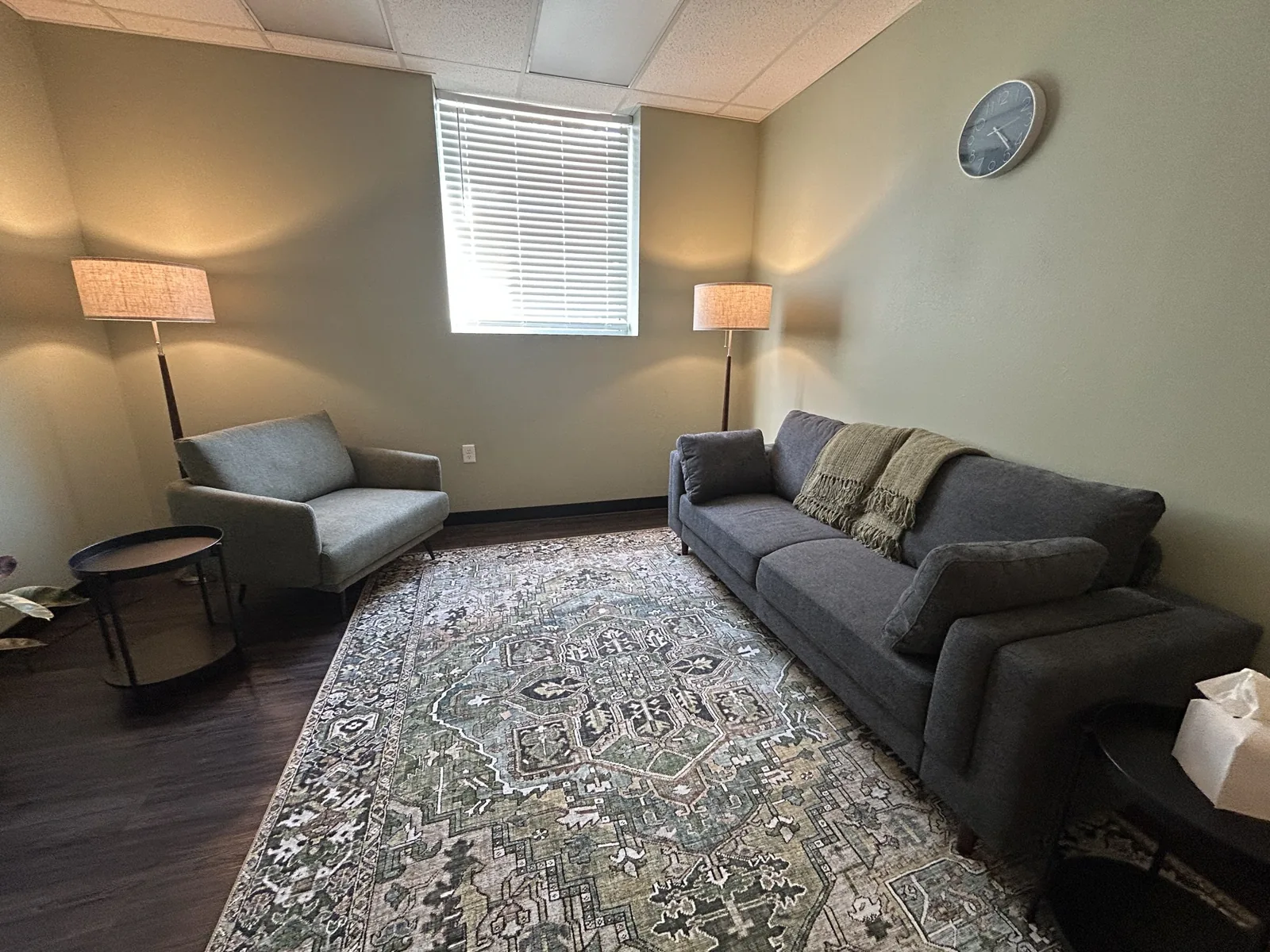
A LITTLE LESS UNKNOWN
Explore the actual Allis office, or ask about telehealth. Confirm the format, the room and any access arrangements with the practice.
See the officeSOMETHING USEFUL TO KEEP
A short explainer and printable guide make space for what helped, what felt missing and what you’d like to ask next.
No email address needed. Draft for discussion.
WHEN YOU’RE READY
Ask about an approach, a preference or the practical details. An inquiry is a request to connect, not a confirmed appointment.
Ask Allis a question